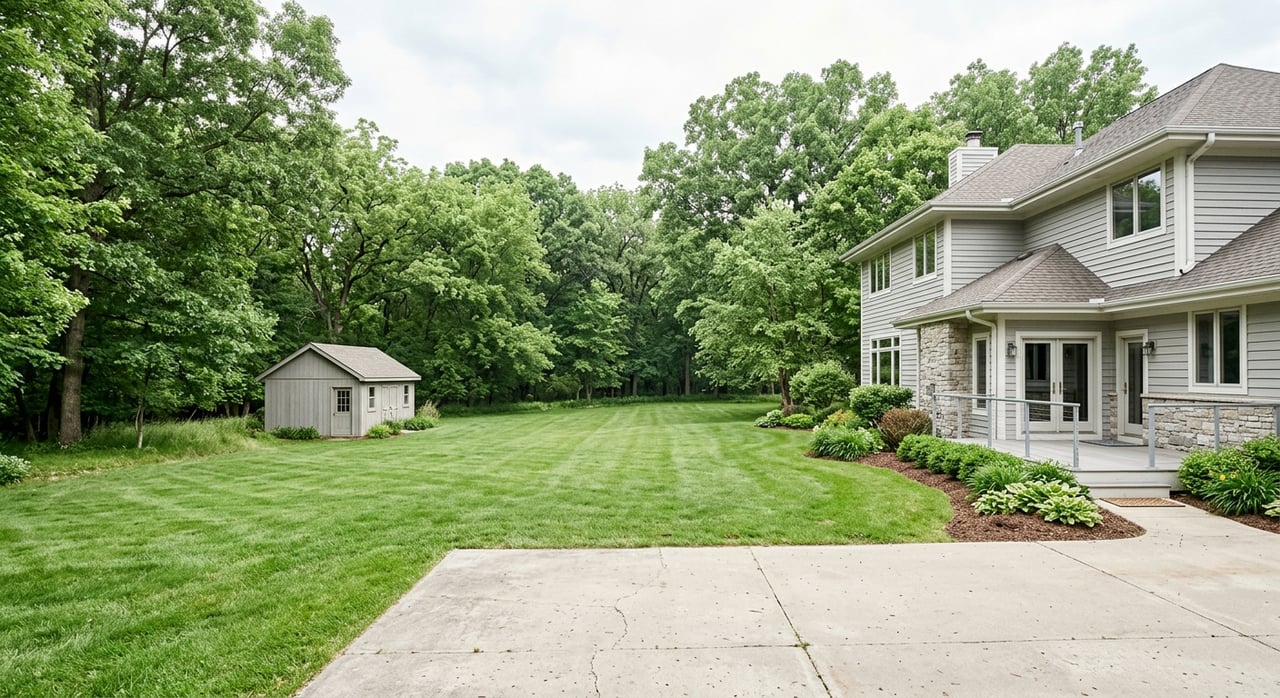
What to Know Before Buying Brimfield IL Acreage Homes
July 2, 2026
July 2, 2026
Thinking about buying an acreage home in Brimfield? It can be a smart way to get more space, privacy, and flexibility, but it also comes with a different set of questions than a typical in-town home search. If you want room for a pole barn, extra storage, animals, or simply more breathing room, it helps to understand how acreage properties in and around Brimfield work before you make an offer. Let’s dive in.
Brimfield is a very small village in Peoria County, located about 18 miles northwest of Peoria. With a total area of just 0.785 square miles, the number of homes for sale in Brimfield is usually limited, especially if you are looking for acreage.
That small footprint matters because your search may need to stretch beyond the village itself. Many buyers compare Brimfield with other west-of-Peoria communities to find the right mix of land, home features, and price.
At the time of research, Redfin showed only two homes for sale in Brimfield, priced at $189,900 and $525,000. Over the prior three months ending in April 2026, Redfin reported a median sale price of $214,000.
Realtor.com showed a median listing price of $284,950 for ZIP code 61517. That number is different from a median sold price, but together they give you a useful picture of how Brimfield can sit between lower-priced in-town options and more expensive suburban fringe markets.
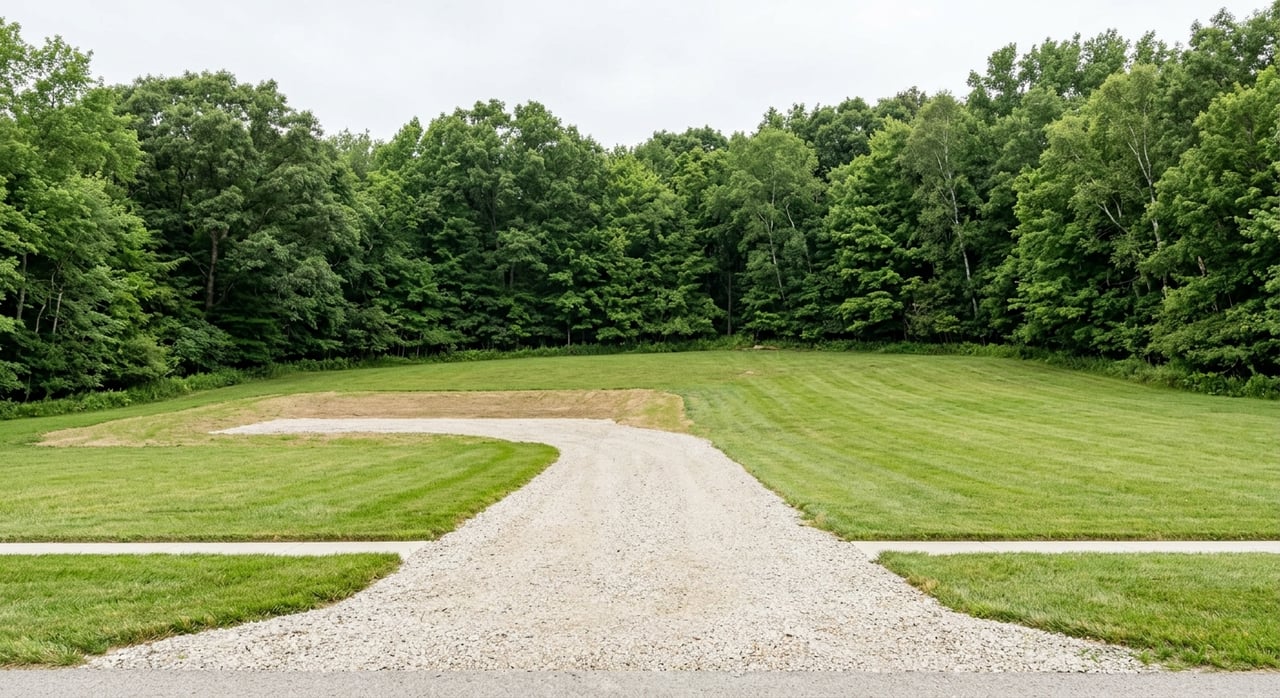
For land-only purchases, two Brimfield lots were listed at 5 acres for $74,900 and 5.3 acres for $81,900. That puts pricing at roughly $14,980 to $15,453 per acre, though land values can shift quickly depending on location, access, and existing improvements.
If you widen the search, nearby city median listing prices ranged from $129,900 in Peoria and $169,900 in Pekin to $235,000 in East Peoria, $425,000 in Washington, and $527,400 in Dunlap. For many buyers, Brimfield lands in a middle range where you may pay more than an in-town home, but less than some higher-end suburban choices once land and outbuildings are part of the package.
In Brimfield, acreage homes are often about much more than square footage. Buyers are usually evaluating a full property package that includes land use, privacy, access, storage, and the condition of extra structures.
Current and recent listings in and around Brimfield point to a few common features:
One recent Brimfield-area property on 4.6 acres included AG-1 zoning, mature trees, landscaping, and a 48x63 pole building with a concrete floor and electric. Another acreage-style listing on 3.3 acres highlighted a newer roof, siding, windows, flooring, lighting, a large deck, private wooded views, and a 64x44 outbuilding.
That tells you something important: when you buy acreage in Brimfield, you are often buying usability as much as the house itself.
Acreage homes usually need more investigation than a standard subdivision property. In Brimfield and the surrounding area, a home may be connected to village utilities, or it may rely on private systems.
Peoria County’s land-use plan notes that water service in the county can come from individual wells, community wells, public municipal systems, or a private water utility. Sewer service in rural areas is commonly handled by private septic systems, while incorporated municipalities are typically served by public sewage systems.
That means you should never assume how a property is served based on the mailing address alone. Before you move forward, confirm exactly what supplies the home’s water and handles wastewater.
When you tour an acreage home, ask:
These questions can save you time and help you compare properties more accurately.
If the home uses a private well, testing and maintenance become part of ownership. Illinois EPA says private well owners are responsible for regular testing.
Its guidance recommends testing for bacteria at least once a year and nitrate every year. Additional testing may be needed based on nearby land uses or the condition of the well.
The Illinois Department of Public Health also says well owners should maintain and regularly test their wells. If a property has a water treatment system, it must comply with the Illinois Plumbing Code.
If you are considering a property where a new well may be needed, well placement matters. Illinois EPA says wells should be located on high ground and set back at least 50 feet from septic tanks, barnyards, or animal confinement lots, and 75 feet from septic fields and manure piles.
This is especially relevant if you want space for animals, additional outbuildings, or future improvements. A large lot may give you options, but those options still need to fit setback and site conditions.
A private septic system can work well, but it is not something to treat casually. Illinois EPA says septic systems are the homeowner’s responsibility, should be inspected annually, and are typically pumped every two to three years.
The Peoria City/County Health Department adds a few practical reminders that matter for buyers. You should know where the tank and drain field are, keep service records, avoid driving or parking over the drain field, and avoid septic additives.
If a home has an older system, that does not automatically mean there is a problem. It does mean you should take the inspection process seriously and ask clear questions about maintenance history.
For Brimfield acreage homes, the Peoria City/County Health Department is a key local resource for onsite wastewater systems. The department reviews applications and plans, issues permits, inspects installations and repairs, and provides online property records for wells and onsite wastewater systems installed after 2009.
For older records, a FOIA request may be needed. This can be especially helpful when you are trying to confirm whether a seller’s information matches local records.
A general home inspection is still useful, but acreage buyers often need more specialized review. Depending on the property, that may include a septic inspection, well testing, and careful review of outbuildings, drainage, and land use.
One of the biggest mistakes acreage buyers can make is assuming that more land automatically means more freedom. In reality, intended use should always be confirmed before you move ahead.
Brimfield’s official site provides zoning and use-permit information along with the municipal code. If you are hoping to keep animals, build a workshop, add another structure, or change how part of the property is used, confirm what is allowed for that specific parcel.
This step is just as important as the home inspection. It helps you avoid buying a property that does not fit your plans.
Acreage can be beautiful, but not every part of a lot may be equally usable. Low spots, ditches, and natural drainage paths can affect where you build, park, fence, or place future improvements.
FEMA’s Flood Map Service Center is the official source for flood-hazard information used for the National Flood Insurance Program. If a parcel includes or touches a Special Flood Hazard Area, insurance and building rules may apply.
Even if the house itself feels safely placed, it is worth looking closely at the full parcel. On larger lots, the land beyond the home site can still affect long-term plans and maintenance costs.
When two properties have similar bedroom counts, the better value may come down to the land and improvements rather than the interior finishes alone. In Brimfield, this is often the deciding factor.
As you compare homes, focus on these points:
A granite countertop or updated flooring may catch your eye first, but acreage value often lives in the details behind the scenes.
For many buyers, Brimfield acreage homes offer a lifestyle that is hard to match in a standard neighborhood. You may get more land, more separation from neighbors, and more room for storage, hobbies, or future plans.
At the same time, these homes often require a longer due-diligence process and a more hands-on mindset. If you are comfortable trading some suburban simplicity for space and flexibility, Brimfield may be worth a serious look.
Having a local guide matters here. When inventory is limited and each property is a little different, clear advice can help you spot both the opportunities and the extra questions that need answers.
If you are exploring acreage homes in Brimfield or nearby west-of-Peoria communities, The Move Smart Group LLC can help you compare options, ask the right due-diligence questions, and move forward with confidence.
Stay up to date on the latest real estate trends.
We love to help our clients and no price of a home is too small or large. We have a marketing plan for all of our customers.
3300 W WILLOW KNOLLS DR STE A PEORIA IL 61614