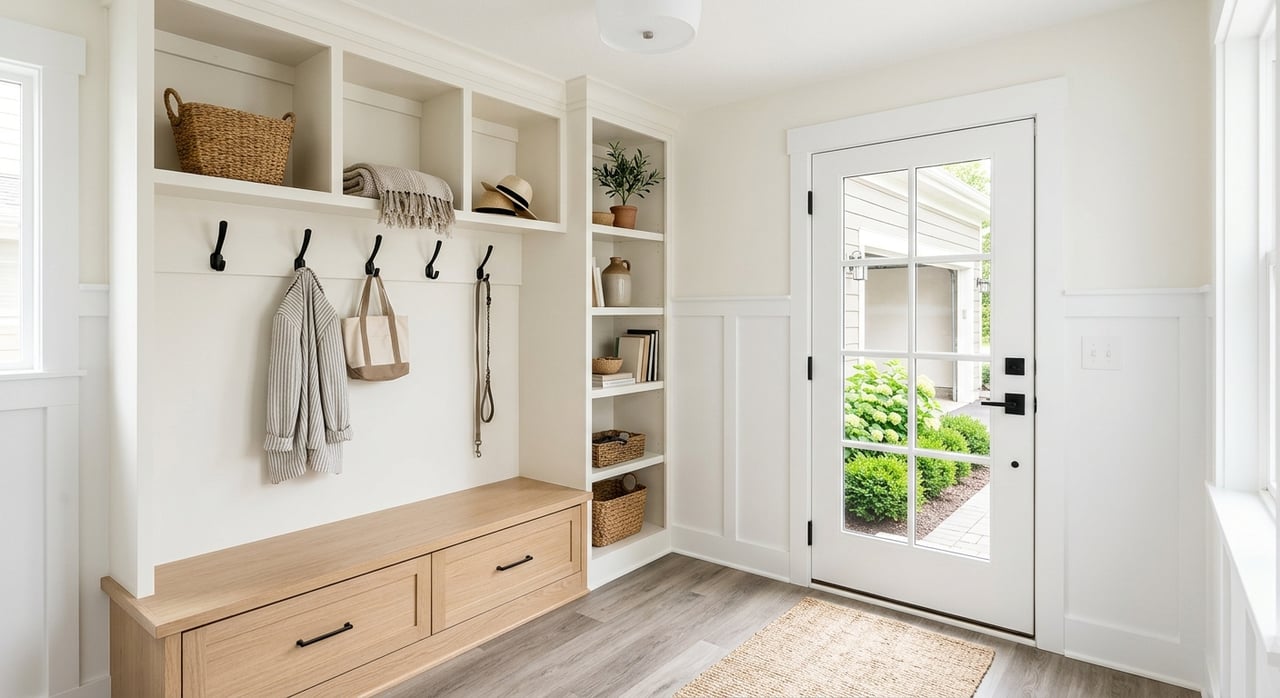
Buying And Selling At The Same Time In Mapleton IL
July 23, 2026
July 23, 2026
Trying to buy your next home while selling your current one can feel like a high-wire act. You want the move to be smooth, but in a small market like Mapleton, timing rarely lines up perfectly on its own. The good news is that with the right plan, you can reduce stress, protect your budget, and make better decisions from the start. Let’s dive in.
Mapleton is a very small village, which means local housing activity can be harder to judge by Mapleton-only sales alone. For planning, Peoria County data offer a more reliable picture of what sellers and buyers may face.
As of June 2026, Peoria County had 303 active listings, a median listing price of $152,425, and a median 40 days on market. In Q1 2026, the county recorded 469 closed sales, a median sales price of $151,000, inventory of 277, and 34 days on market.
That tells you there is real buyer activity, but it does not guarantee a same-day sale and purchase. If you are buying and selling at the same time in Mapleton, it is smart to build in a timing cushion rather than assume both closings will line up perfectly.
Before you look at homes or prepare your house for showings, start with your finances. Your best strategy depends on two big questions: how much equity you have in your current home, and whether you can comfortably carry one payment or two for a short period.
This early step matters because buying first, selling first, and making a contingent offer all create different levels of risk. You also need to plan for more than the mortgage payment, including closing costs, moving expenses, repairs, home improvements, and even furniture if your next home needs it.
A lender conversation early in the process can help you understand what is realistic. Once you know your numbers, you can choose a path that fits your comfort level instead of guessing under pressure.
For many homeowners, this is the simplest and lowest-stress option. Consumer guidance from the CFPB notes that homeowners who plan to move will normally try to sell their current home first before buying another one.
Selling first can make your next purchase easier to budget because you know how much money you have available from your sale. It also lowers the chance that you will be stuck managing two housing payments at once.
The tradeoff is that you may need temporary housing or a flexible closing plan if you do not find your next home right away. Even so, for many Mapleton-area sellers, this route offers the most control.
If you find the right home before your current home sells, bridge financing may help cover the gap. A bridge loan is a short-term loan, usually 12 months or less, designed for buyers who plan to sell their current home within that time.
This option can give you more flexibility, but it comes with stricter financial review. The lender must document your ability to carry the new home payment, the current home payment, the bridge loan, and your other obligations.
In other words, this is not just about finding a loan product. It is about proving you can handle the overlap safely.
A contingent offer can help you move forward on a new home while protecting you if your current home has not sold yet. One option is a home-sale contingency, which gives you time to sell your current home before closing on the next one.
Another is a home-close contingency, which gives you time to close your current sale before buying the next home. These can be useful tools, but they come with deadlines and contract terms that need careful attention.
Sellers may also keep their property on the market with continue-to-show or kick-out clauses. That means a contingent offer can work, but you should be prepared for the seller to seek backup interest.
The right plan depends on your finances, your risk tolerance, and how flexible your move needs to be. If keeping costs predictable is your top goal, selling first is usually the cleanest path.
If you need to secure a specific home before letting go of your current one, bridge financing or a contingency may make sense. The key is to decide this early, before your timeline gets tight.
In a small market like Mapleton, planning matters more than trying to force perfect timing. A thoughtful backup plan is often what keeps the whole move on track.
If you plan to sell first or sell soon, do as much prep work as possible before your home goes live. That gives you a better chance to move quickly once buyers start touring.
A pre-sale inspection is not required, but it can help uncover issues you may want to address before buyers see the house. That can make repair decisions less rushed and reduce surprises later.
Focus on the basics that help a home show well:
This kind of prep supports a smoother listing launch and can make the next steps easier to coordinate.
Once your home is nearly ready to list and your financing plan is clear, you can better time your next-home search. In Mapleton and the broader Peoria County market, homes are moving in weeks rather than hours, based on current county pace data.
That does not mean you should wait too long. It means your search should be tied to your chosen strategy, whether that is a contingent offer, a rent-back plan, or temporary housing after your sale.
This approach helps you avoid falling in love with a new home before you know what your sale needs to happen first. It also gives you a clearer path when offers start moving.
One of the most important parts of buying and selling at the same time is the closing sequence. As soon as an offer is accepted, communicate your preferred closing date, possession date, and move-out date clearly.
These details matter because contingency deadlines can expire or be canceled if they are not met within the contract timeline. A strong plan is not just about price. It is also about making the dates work in a realistic way.
If your sale and purchase will not line up exactly, a short occupancy solution may help bridge the gap.
A rent-back agreement allows you to stay in your home for a period after closing if the buyer agrees. This can help if you sell first but need a little more time before your next home is ready.
An early move-in agreement can allow a buyer to move into the next home before closing if the seller agrees. These arrangements can be helpful, but they should always be put in writing.
Insurance and lender approval also matter. Many lenders will not accept leasebacks longer than 60 days, so timing needs to be handled carefully.
If you are making repairs or getting your home ready for market, exact location matters. The Village of Mapleton states that its ordinances and zoning apply only to properties actually inside village limits, not the Lake Camelot area.
That means permit and repair questions may depend on where the property is located. If you are planning last-minute work before listing, it is smart to confirm which local rules apply to your property before moving ahead.
Here is a simple way to think about the process:
This kind of sequence can reduce surprises and give you more options if one part of the move takes longer than expected.
Buying and selling at the same time in Mapleton, IL is possible, but it works best when you treat it like a coordinated plan, not a perfectly timed coincidence. In a small-market setting, flexibility and local guidance can make a major difference.
If you want a smoother move, start early, know your numbers, prep your home before listing, and build a backup plan into your timeline. That is often the difference between feeling rushed and feeling ready.
If you are planning a move in Mapleton or anywhere in the Peoria area, The Move Smart Group LLC can help you map out the sale, purchase, and timing strategy that fits your goals.
Stay up to date on the latest real estate trends.



We love to help our clients and no price of a home is too small or large. We have a marketing plan for all of our customers.

3300 W WILLOW KNOLLS DR STE A PEORIA IL 61614