Explore Metamora IL Lifestyle and Homes Before You Move
May 21, 2026
May 21, 2026
Thinking about a move to a smaller Central Illinois community, but not sure if it will fit your daily routine? Metamora often stands out for buyers who want a quieter pace, local events, and more variety in home styles than they might expect. If you are considering a move here, this guide will help you understand what everyday life looks like, what kind of housing you may find, and how Metamora compares with nearby options. Let’s dive in.
Metamora is a village of 3,904 residents, according to the 2020 Census demographics report cited by the Illinois General Assembly. That smaller size shapes the feel of daily life in a very practical way. You are looking at a community with a village-centered rhythm rather than a large city pace.
The village presents itself as a place built around small-town charm, local pride, and neighborly spirit. Its historic square and long local history help reinforce that identity, with village information noting that Metamora was originally put on the map on June 7, 1836. For many buyers, that means a setting that feels established and community-oriented.
Location is also part of the appeal. The village notes that Metamora sits between Peoria and Bloomington, which can matter if you want a quieter home base while still staying connected to larger employment and medical hubs. That balance is often one of the first reasons buyers put Metamora on their shortlist.
Metamora does not rely on a big-box retail corridor to support day-to-day life. Instead, everyday convenience comes from a mix of local businesses and familiar essentials. That can make the community feel more personal while still giving you access to common needs close to home.
The village’s local business and community pages list coffee shops, restaurants, grocery options, pharmacy access, floral and gift shops, resale shopping, and other service providers. Examples include Eli’s Coffee Shop, Hanover’s Pub, The Bakery Bar, Metamora Fields Restaurant, Geo’s Pizza & Pasta, Cinco De Mayo Mexican Restaurant, CVS, Dollar General, and Kirby Foods.
The Metamora Area Business Association says the community includes more than 40 member businesses and organizations. Its directory also includes banking, insurance, library, wellness, and service providers. In real-life terms, that means many daily errands and local stops can happen without leaving town.
Outdoor recreation is a major part of life in Metamora. The Metamora Park District manages Black Partridge Park, Brighton Park, Lincoln-Douglas Park, Schupp Park, and the Metamora Community Pool. The village also notes that the local trail system connects the village with Black Partridge Park.
Black Partridge Park is especially notable because it spans 450 acres and includes sports fields, playgrounds, pavilions, and more than 8 miles of singletrack trails. If you value outdoor space, walking routes, or places for recreation close to home, that is a meaningful part of the area’s appeal. Lincoln-Douglas Park also adds a historic element, tied to the 1858 Lincoln-Douglas debates.
Community traditions help round out everyday life. Village and business-association pages point to recurring events such as Old Settlers Days, the Saturday morning farmers market on the square, Friday evening concerts, an ice cream social in the park, Saturday night cruise-ins, Trunk-Or-Treat, and A Village Christmas. These events give the calendar a steady hometown feel throughout the year.
For buyers thinking about school access, Metamora’s public-school footprint is relatively compact. Metamora Grade School serves Pre-K through 8, and Metamora Township High School is the local high school. That simpler structure can be appealing if you prefer a community where key services are easy to identify.
Metamora Township High School highlights a 95% composite graduation rate on its homepage. The school also states that its mission is to prepare students for four-year college, two-year technical school, apprenticeship, or military service. In addition, the school maintains athletics and activities pages, which may be useful if extracurricular options are part of your home search.
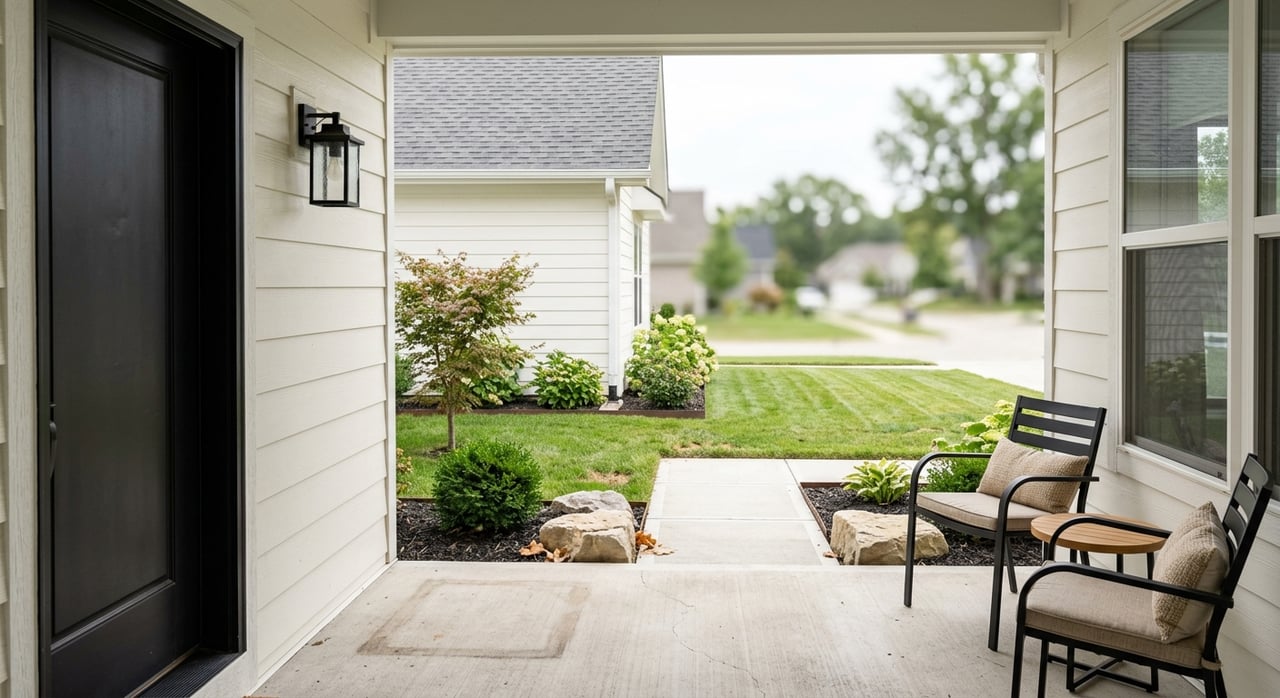
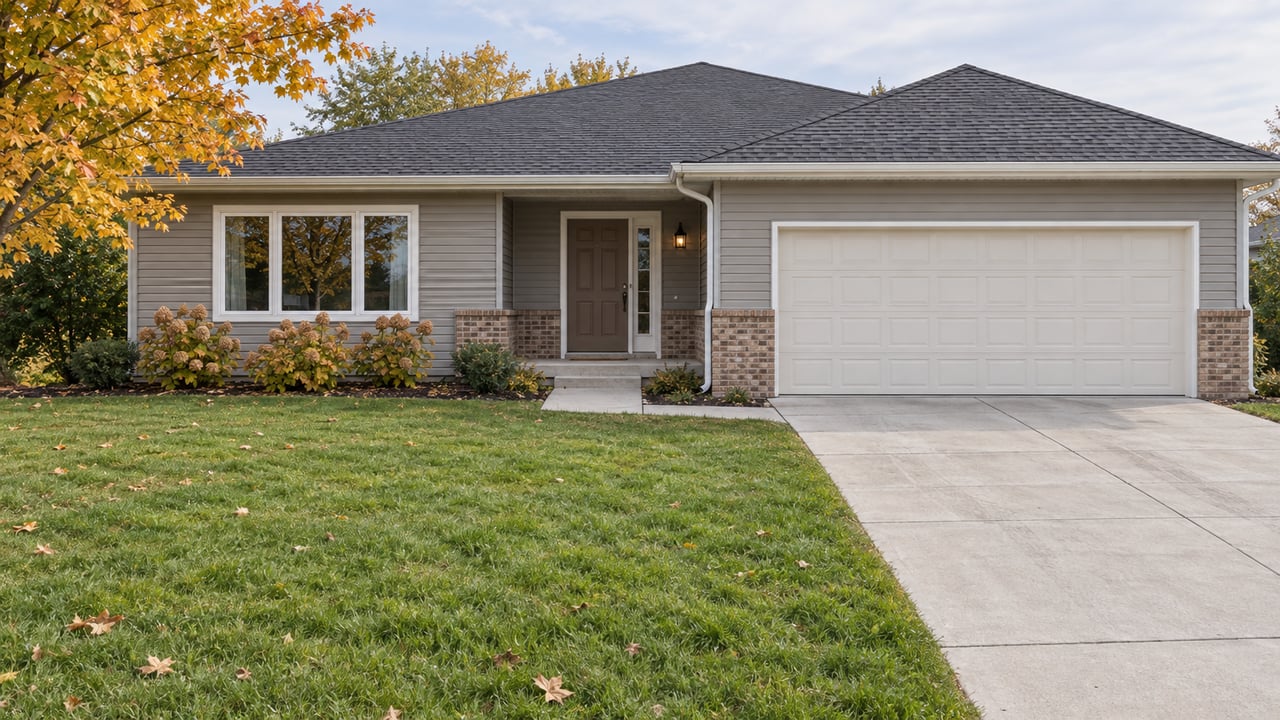
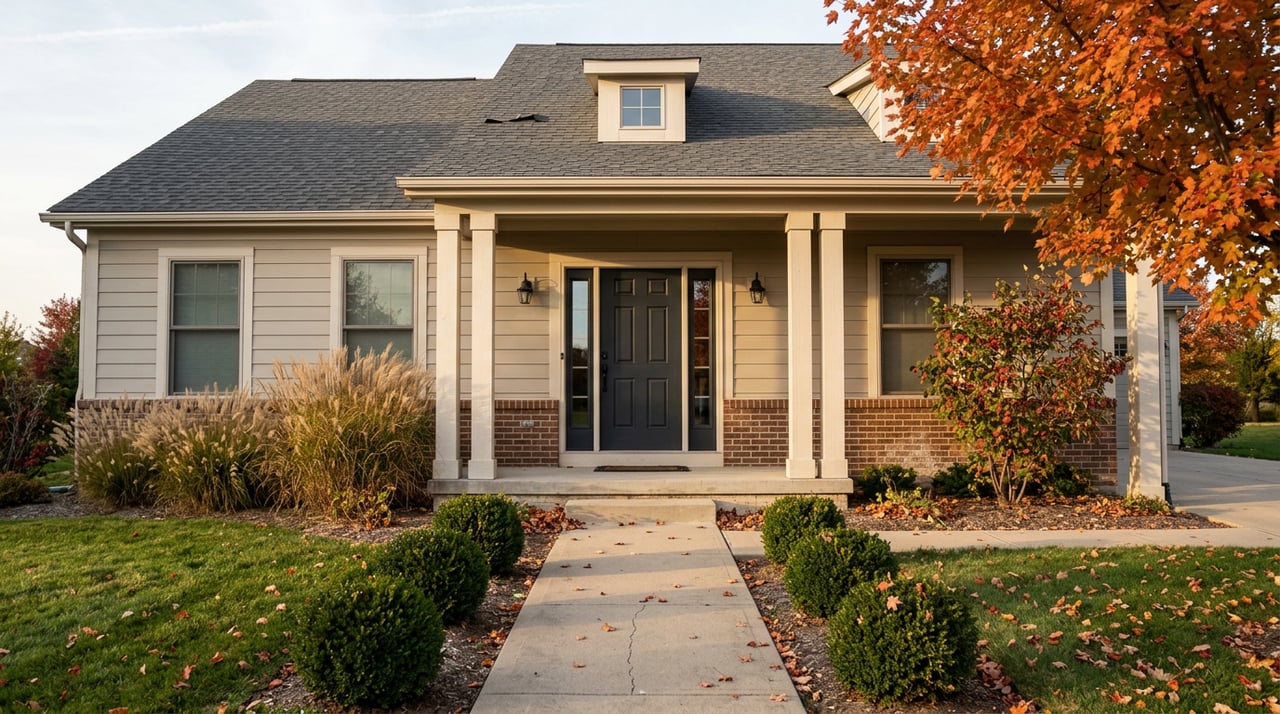
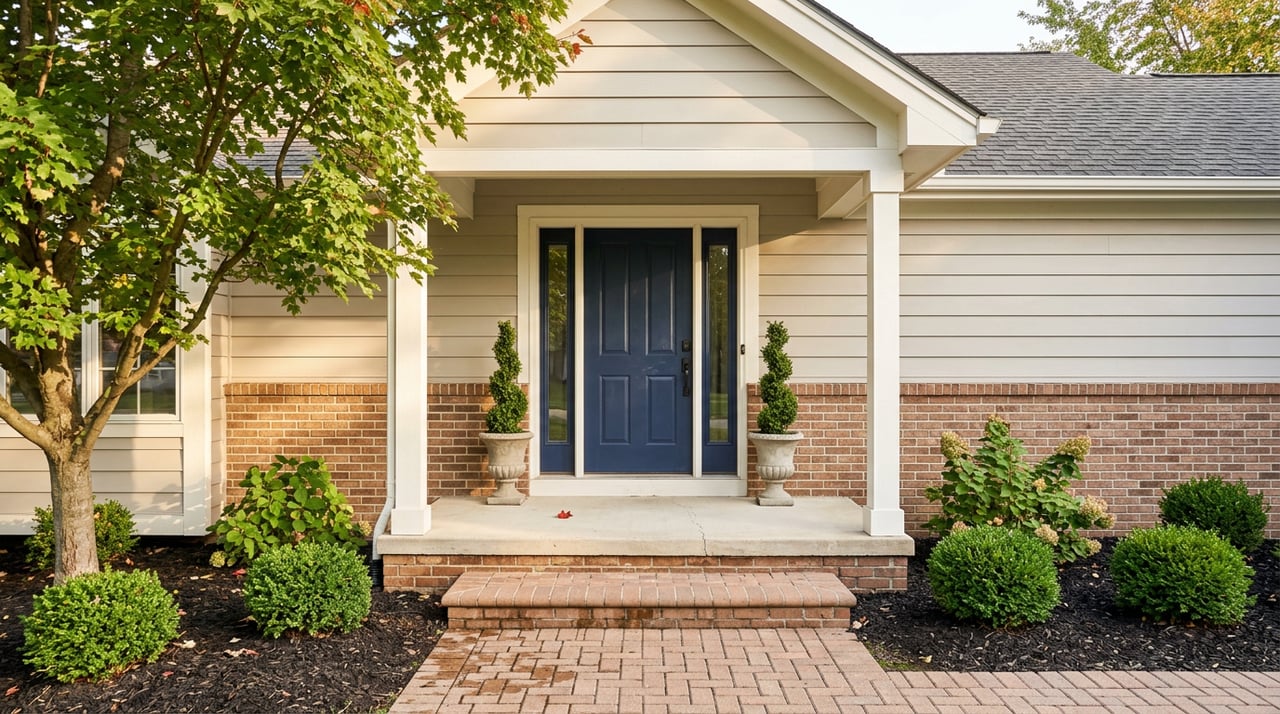
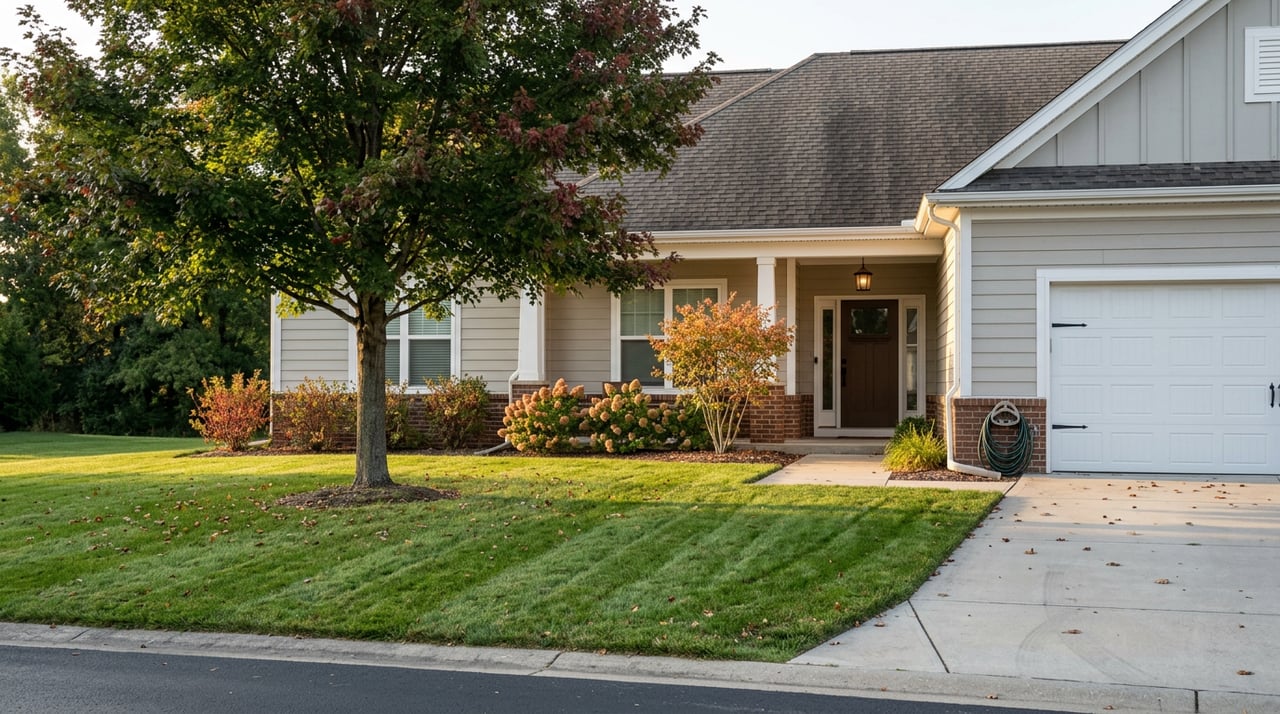
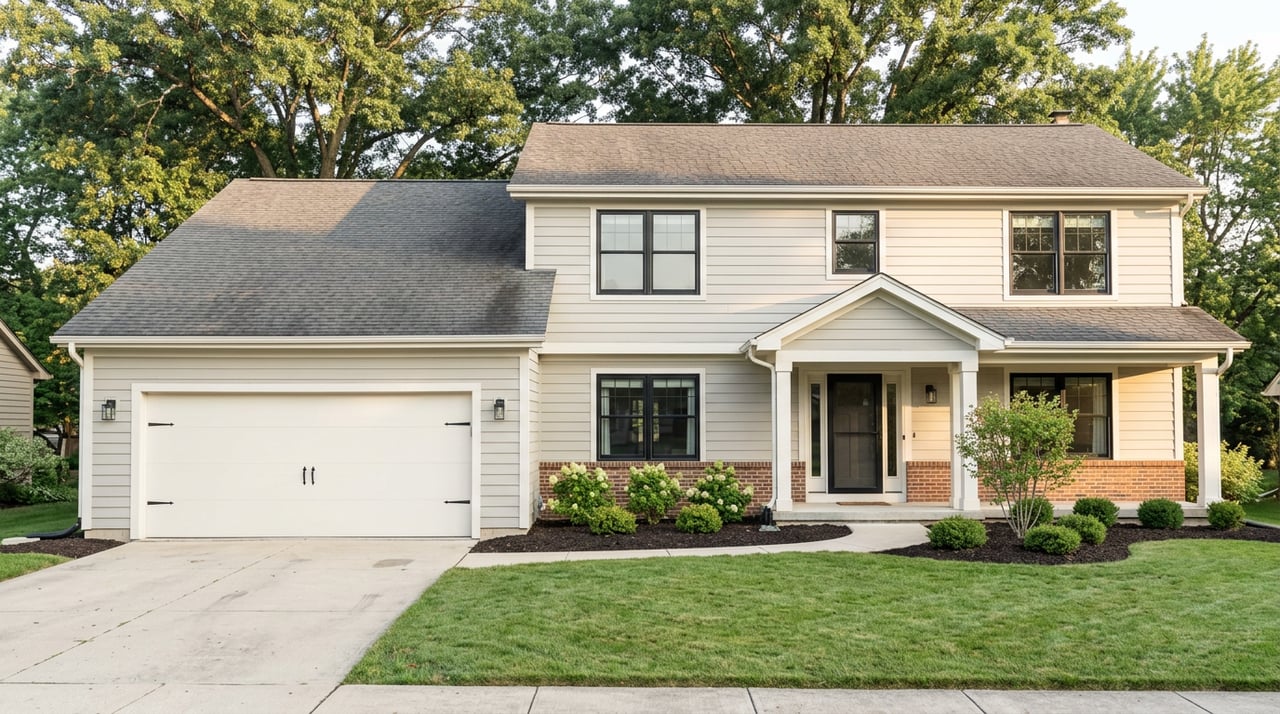
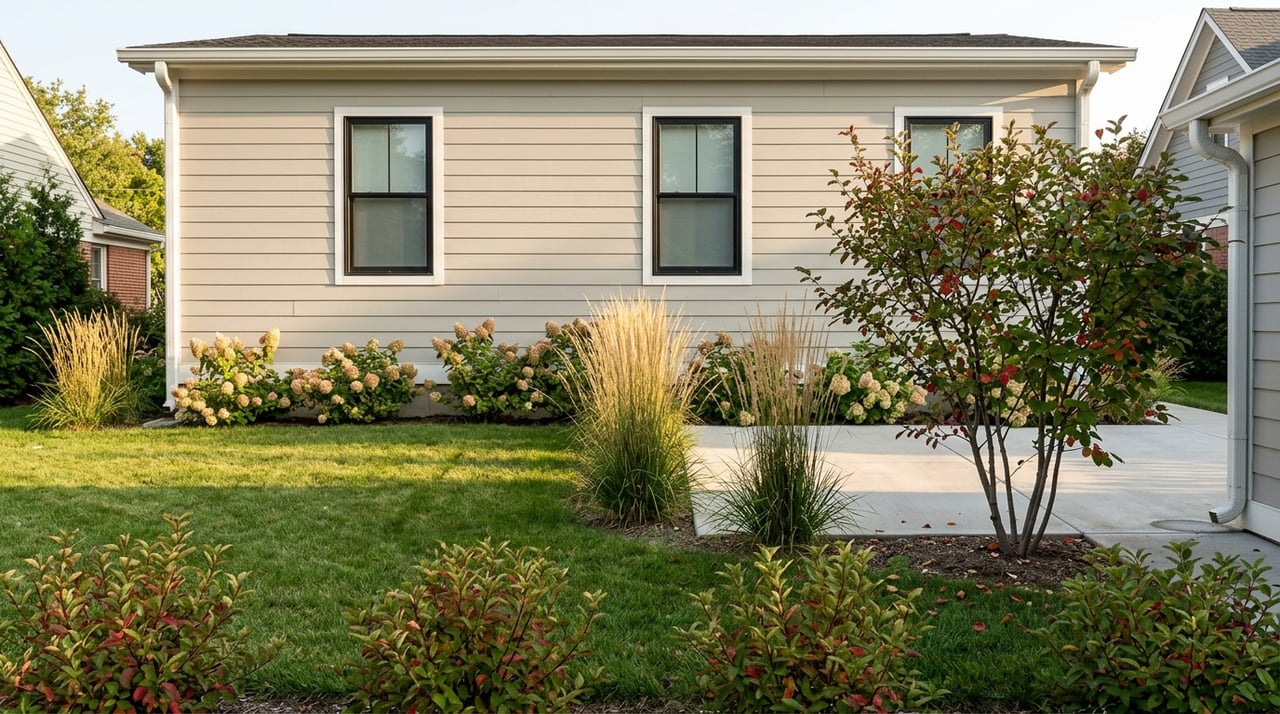
One of the most useful things to know before moving to Metamora is that the housing stock is not one-size-fits-all. Based on current listing examples, the market includes conventional single-family homes, homes on standard neighborhood lots, and properties with one acre or several acres. That gives buyers more range than they might expect in a village of this size.
Current listing samples cited in the research report include a 1,514-square-foot home on a 5,842-square-foot lot, a 1,280-square-foot home on 1 acre, another home on about 0.23 acres, and larger rural properties on 5.05 acres and 10 acres. While that is not a formal lot-size average, it does suggest that Metamora includes both neighborhood-style living and country-style parcels.
That variety can matter a lot depending on your goals. You may be looking for a manageable in-town lot, or you may want more separation, outdoor space, or land for hobbies and storage. Metamora appears to offer both, which is one reason it can attract a broad mix of buyers.
Metamora has a relatively small inventory base, and current pricing sits above many nearby Central Illinois communities. Realtor.com market pages cited in the research report place the village-level median listing price at $299,950 and the ZIP code 61548 median listing price at $349,900. Because those pages measure slightly different footprints, it is best to treat that as a current range rather than one exact number.
The same source shows 74 homes for sale in both views, with median days on market ranging from 15 to 20 days. That suggests buyers may need to be prepared for a market that can move fairly quickly. When inventory is limited, the right home may not stay available for long.
If you are choosing between Metamora, Washington, and Peoria, the biggest difference is scale. Metamora had 3,904 residents in the 2020 Census, compared with 16,071 in Washington and 113,150 in Peoria. In practical terms, Metamora offers a much smaller, more village-centered setting.
Pricing is also meaningfully different. The research report shows Metamora around $300,000 to $350,000, compared with about $219,950 in Washington and about $145,000 in Peoria. Market pace differs too, with Metamora at roughly 15 to 20 days on market, Washington at about 22 days, and Peoria at about 39 days.
Inventory is deeper in larger markets. Peoria currently shows 522 homes for sale, compared with 74 in Metamora and 76 in Washington. One reasonable takeaway from the research is that Metamora’s mix of larger lots and acreage properties may help support its higher pricing, even though it is the smallest of the three communities.
Metamora may be a strong fit if you want a smaller community with a defined local identity, recurring events, and access to parks and trails. It may also appeal to you if you want more lot-size flexibility, including the possibility of acreage, while still remaining connected to the broader Central Illinois region.
At the same time, it helps to go in with clear expectations. Housing inventory is limited compared with larger nearby markets, and price points may come in higher than buyers first expect for a village setting. The tradeoff may be worth it if your priorities include space, pace, and a strong sense of place.
If you are weighing Metamora against other Central Illinois communities, the best next step is to compare your daily routine, budget, and property goals against what is actually available right now. The right fit is not just about price. It is also about how you want to live day to day.
If you want help exploring homes in Metamora or comparing it with other nearby communities, The Move Smart Group LLC is here to offer local guidance and a personalized plan for your move.
Stay up to date on the latest real estate trends.
We love to help our clients and no price of a home is too small or large. We have a marketing plan for all of our customers.
3300 W WILLOW KNOLLS DR STE A PEORIA IL 61614